

The F1 Paddock Problem:
Why Creator Freebies Are Becoming a Liability
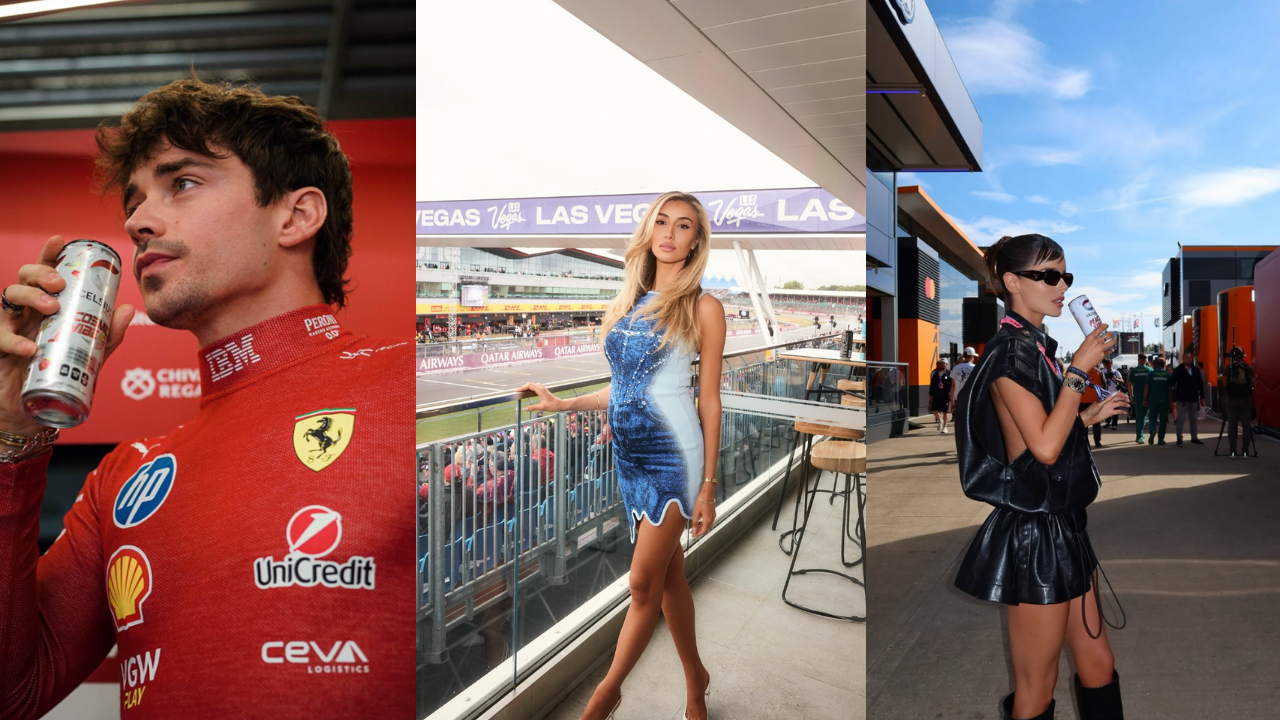
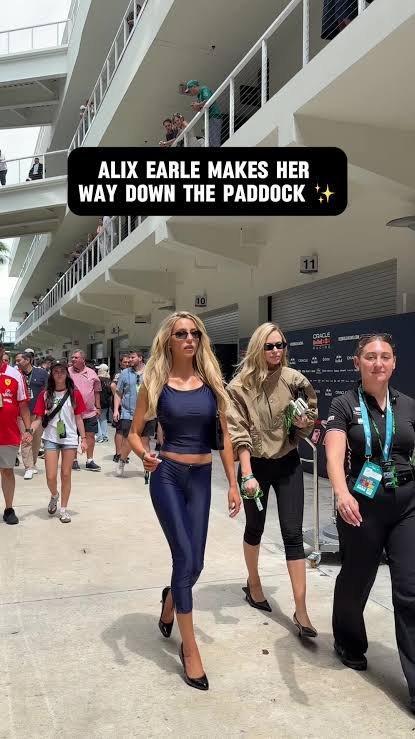
There's a version of this story every summer. A brand flies a group of creators somewhere aspirational, let’s say the paddock at an F1 race, and posts the recap. Now fans getting upset over an influencer getting a paddock pass isn’t new. However, the backlash feels like it’s getting significantly worse following the British Grand Prix at Silverstone. Frustration peaked after an incident where a social media content creator had her paddock pass revoked on the spot after allegedly verbally abusing Motorsport UK's chief paddock marshal and his wife.
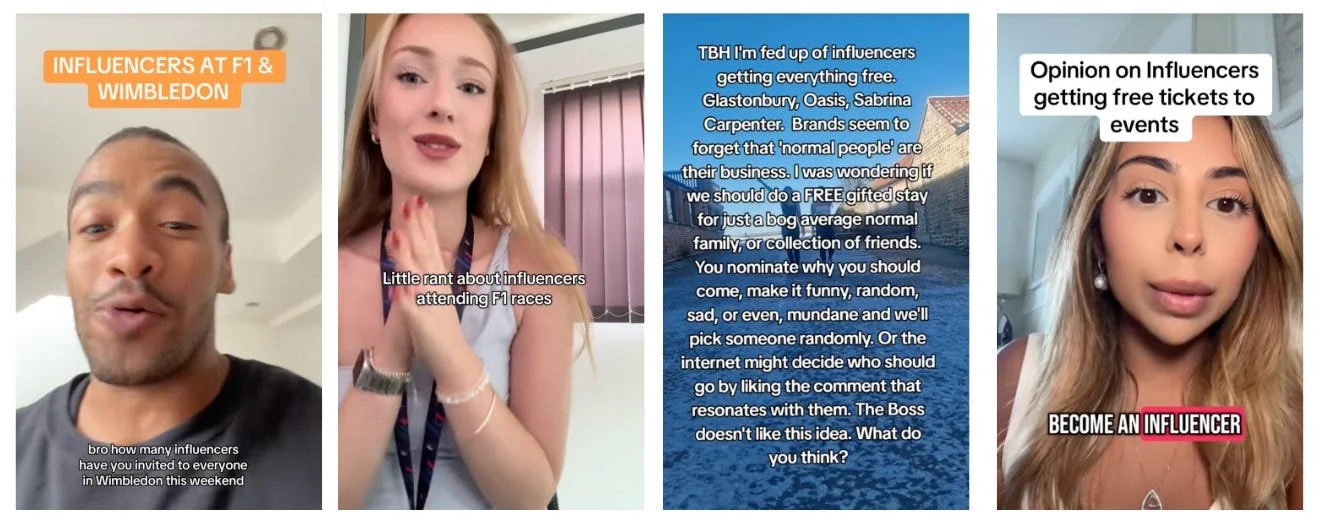
As a result, fans aren’t talking about how fun it would be to get a F1 paddock pass. They're asking why the people who already have the most seem to be getting handed more. Meanwhile, the real fans who actually built the culture around F1, or Wimbledon, or the brand itself, get priced further out of it every season.
The mistake brands often make is to interpret this response as a PR problem. So they will try to tighten up the messaging, add a caption about gratitude, maybe skip the yacht next time. That's the wrong fix, because this isn’t a messaging failure in the first place. It’s a casting failure, and that happens months before anyone hits publish.
Gifting Isn't a Line Item, It's a Statement
Brands need to think about these trips as a piece of creative, or a brand commercial. It has a cast, a setting, a visual language, and it makes an implicit argument about who belongs. When the cast is uniformly people who already have access, the trip makes an argument the brand probably didn't intend to make: that proximity to the brand is a reward for already being inside.
This argument used to be invisible, because audiences once saw influencer trips as aspirational content, full stop. In 2026, That's no longer the case. Audiences are now so fluent in how influencer marketing works that they actually see the guest list as an extension of the brand's values statement. Who's in the room says more than anything written in the caption.
The Question Nobody IS AskING
Most gifting and trip briefs start with a reach and relevance filter. Who has the audience? Who fits the aesthetic? Who's safe? Almost none of them ask the question that actually determines whether the content lands or backfires. Who shouldn't be in this room, and why would leaving them out say something better than including them?
That's not a legal problem or a comms issue. It's the same instinct that separates a brand-directed shoot from one that actually understands culture. Knowing not just what looks good, but what a given audience will read into the choice. A trip that mixes in creators who are visibly still building, still scrappy, still representative of the fanbase that can't afford the ticket, tells a different story than an all-access guest list of people who were already going to be fine without the brand's help. One version reinforces the exact resentment fans are voicing right now. The other uses the same budget to say something the brand can actually stand behind.
‘Access’ Is the New ‘Follower Count’
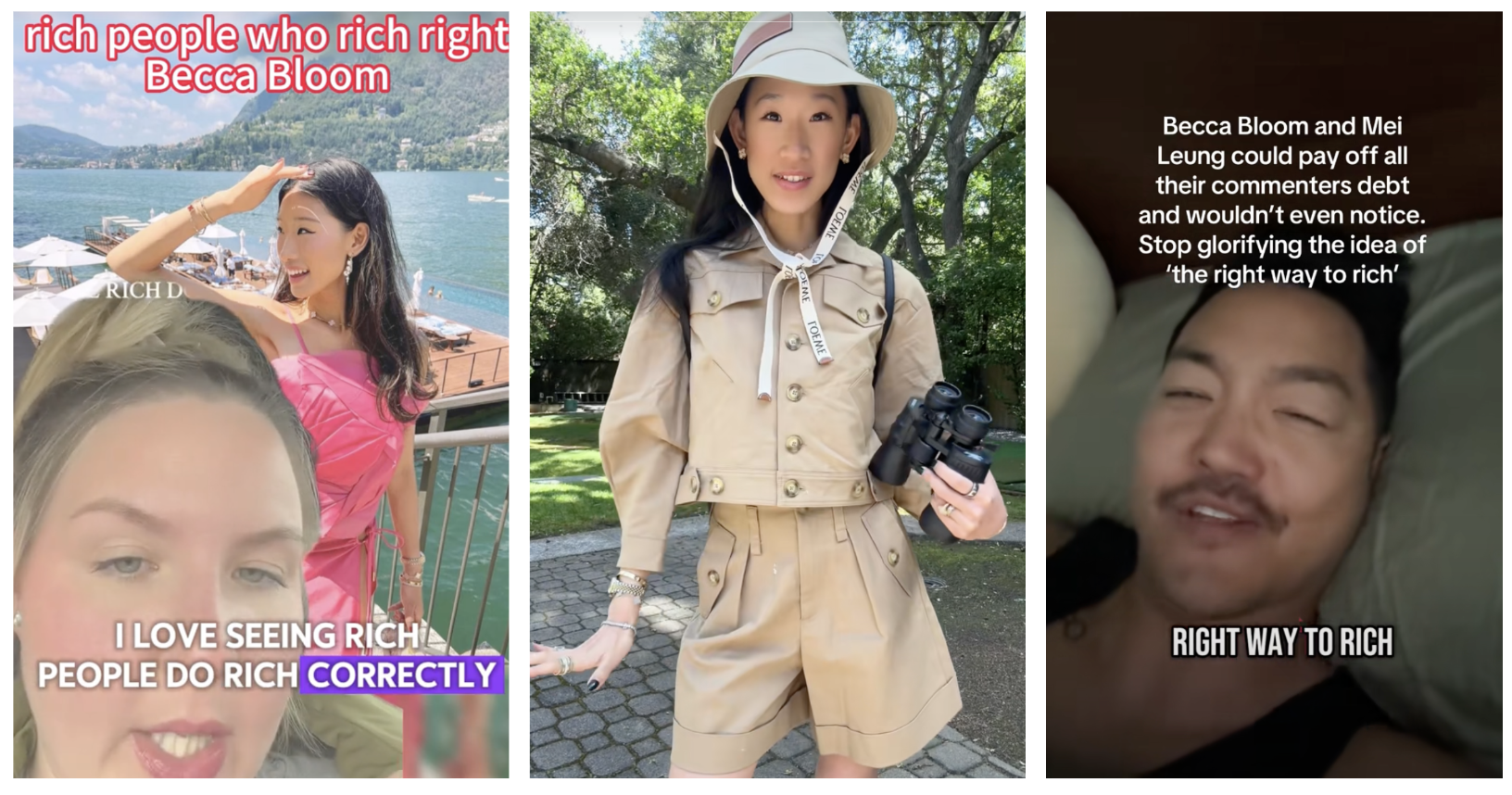
For years, the follower count was the lazy signal agencies used to build a guest list, because it was legible and easy to defend in a deck. Access is the new version of that same sign of laziness. It’s defaulting to whoever already has the most of it, because they're the safest, most photogenic, least risky choice. “Safe” is exactly what ends up reading as tone-deaf.
All this is not to say that all brands should avoid gifting or trips moving forward. The point is the guest list needs to be treated more as a strategic decision with real consequences, the same way you'd treat a spokesperson choice or a campaign concept. Who gets access and who doesn't? That selection implies who the brand actually serves? It's a strategy question that belongs in the earliest phases of the brief, long before a single seat is confirmed.
THE REAL FIX
Most gifting and trip briefs start with a reach and relevance filter. Who has the audience? Who fits the aesthetic? Who's safe? Almost none of them ask the question that actually determines whether the content lands or backfires. Who shouldn't be in this room, and why would leaving them out say something better than including them?
That's not a legal or comms issue. It's the same instinct that separates a brand-directed shoot from one that actually understands culture. Knowing not just what looks good, but what a given audience will read into the choice. A trip that mixes in creators who are visibly still building, still scrappy, still representative of the fanbase that can't afford the ticket, tells a different story than an all-access guest list of people who were already going to be fine without the brand's help. One version reinforces the exact resentment fans are voicing right now. The other uses the same budget to say something the brand can actually stand behind.