


OpenAI Took Influencers to a Farm.
THe backlash was the point they missed.
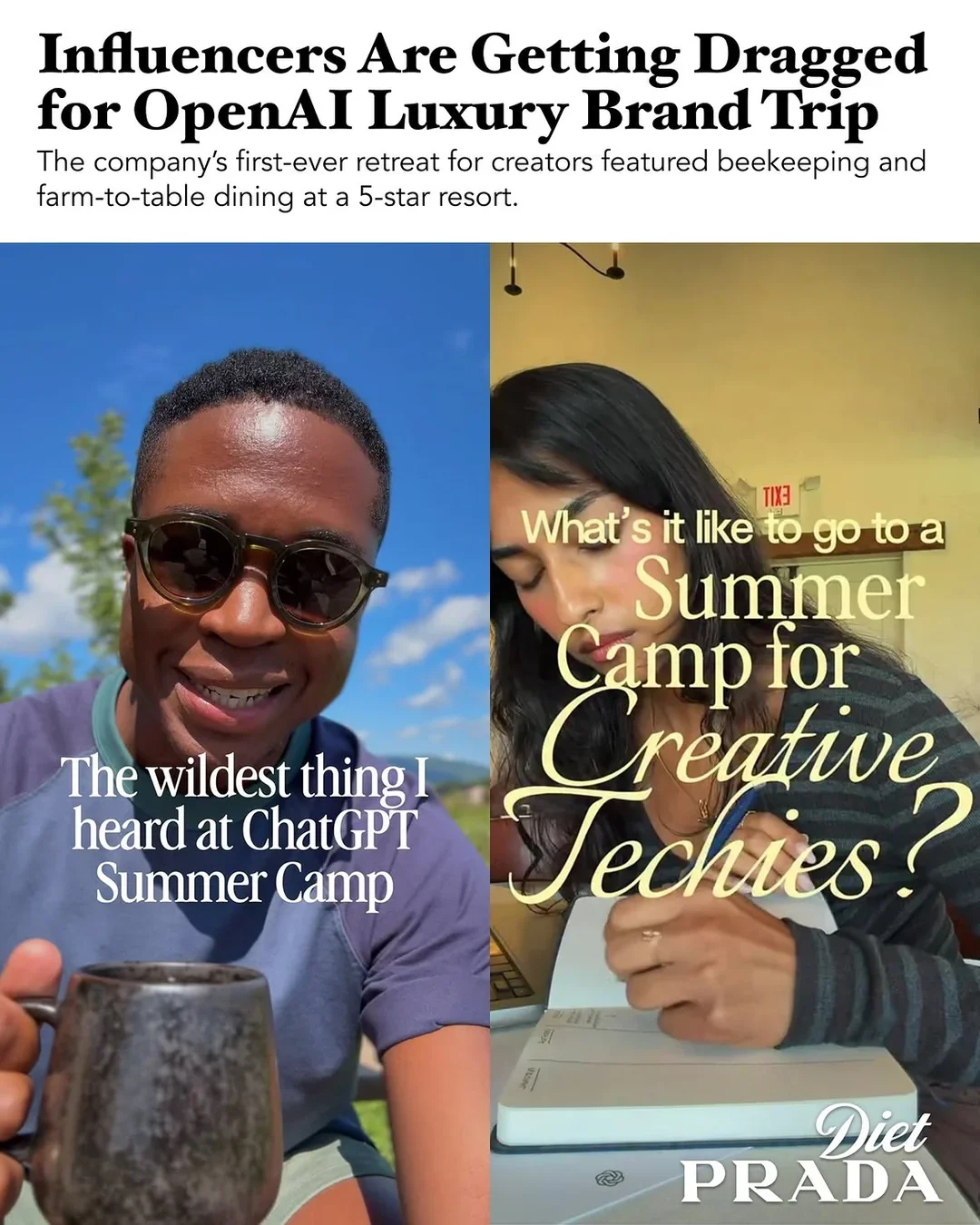
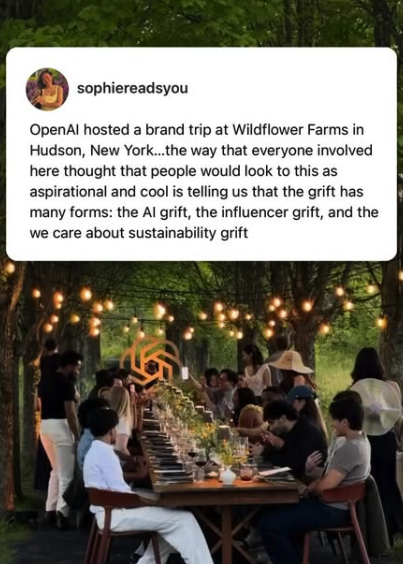
OpenAI ran its first-ever influencer trip this month. It was a retreat upstate with farm-to-table dinners, a beekeeping class, and sessions on getting more out of ChatGPT. It got the reaction every brand secretly fears and every agency should have seen coming: absolute backlash.
The easy read is that this was a tone-deaf move from a company already under scrutiny for its impact on creative work, sent to creators at the exact moment audiences are primed to distrust anything that smells like access-buying. That read isn't wrong. But it's incomplete, and it lets everyone else in the industry off the hook a little too easily.
The trip itself wasn't the mistake. The absence of a brief was.
Brand trips are one of the oldest tools in influencer marketing, and they've always worked on the same premise: get a creator somewhere beautiful, treat them well, and let goodwill translate into content. For years, that premise held up fine, because audiences hadn't yet learned to read the format. They have now. A decade of these trips has trained consumers to recognize the shape of the transaction on sight. It’s become easier to spot the wellness activity, the golden-hour dinner, the caption that reads like a thank-you note. The genre gave itself away.
This is not to say that influencer trips have stopped working. Rather, it's that trips without a point of view now read as exactly what they are: access purchased in exchange for goodwill, with no creative thesis attached. OpenAI's version had all the hallmarks of a trip built to generate warm feelings and softly-branded content, not one built around an idea worth having on camera. That's a strategy failure, not a result of poor PR. This failure in strategy is one we see constantly in briefs that never touch a client's desk, because "send creators somewhere nice" gets treated as a strategy instead of a tactic in search of one.
Access is not a creative brief.
Here's the distinction that gets lost: a trip is a production environment, not a message. It can be the setting for something sharp, like a creator genuinely wrestling with a product on camera, a format built around real tension rather than manufactured delight. It can also be content laundering, where proximity to the brand stands in for anything actually being said. The difference isn't the trip itself. It's whether anyone did the work of deciding what the trip was actually for, creatively, before the itinerary was booked.
It’s incredibly easy to skip that step because it's actually the hardest one. It's much easier to book flights and hotels than to sit with a client and ask: what's the idea here, and is it strong enough to survive being obviously sponsored? That question alone could have changed OpenAI's trip. It’s not that they booked the wrong venue, or cast the wrong creators. The thesis itself was not sufficiently established.
What this means going into the next brand trip on someone's calendar
This format is not going away anytime soon and we’re totally fine with that. If you happen to be planning one of these right now thought, the test isn't "will this feel authentic?". It’s near impossible to make something branded feel genuinely authentic in the viewers eyes, and audiences aren’t even expecting it anymore. The real test is whether there's an actual real idea driving the content itself. An idea that’s strong enough to hold a viewers engagement with it, even knowing exactly how it got made. That’s the secret formula.
Audiences have already made their peace with sponsorship. What they will never make peace with is being handed nothing in return for their attention. The brands that get this right going are the ones willing to let a creator say something with an actual edge to it. That doesn’t even have to be on a fancy sponsored trip. That's a creative decision, made well before anyone boards a plane. OpenAI had the budget and the guest list to pull this off. What it didn't have was a reason for the trip to exist in the first place, and that's the gap every brand doing this next will need to address first.