

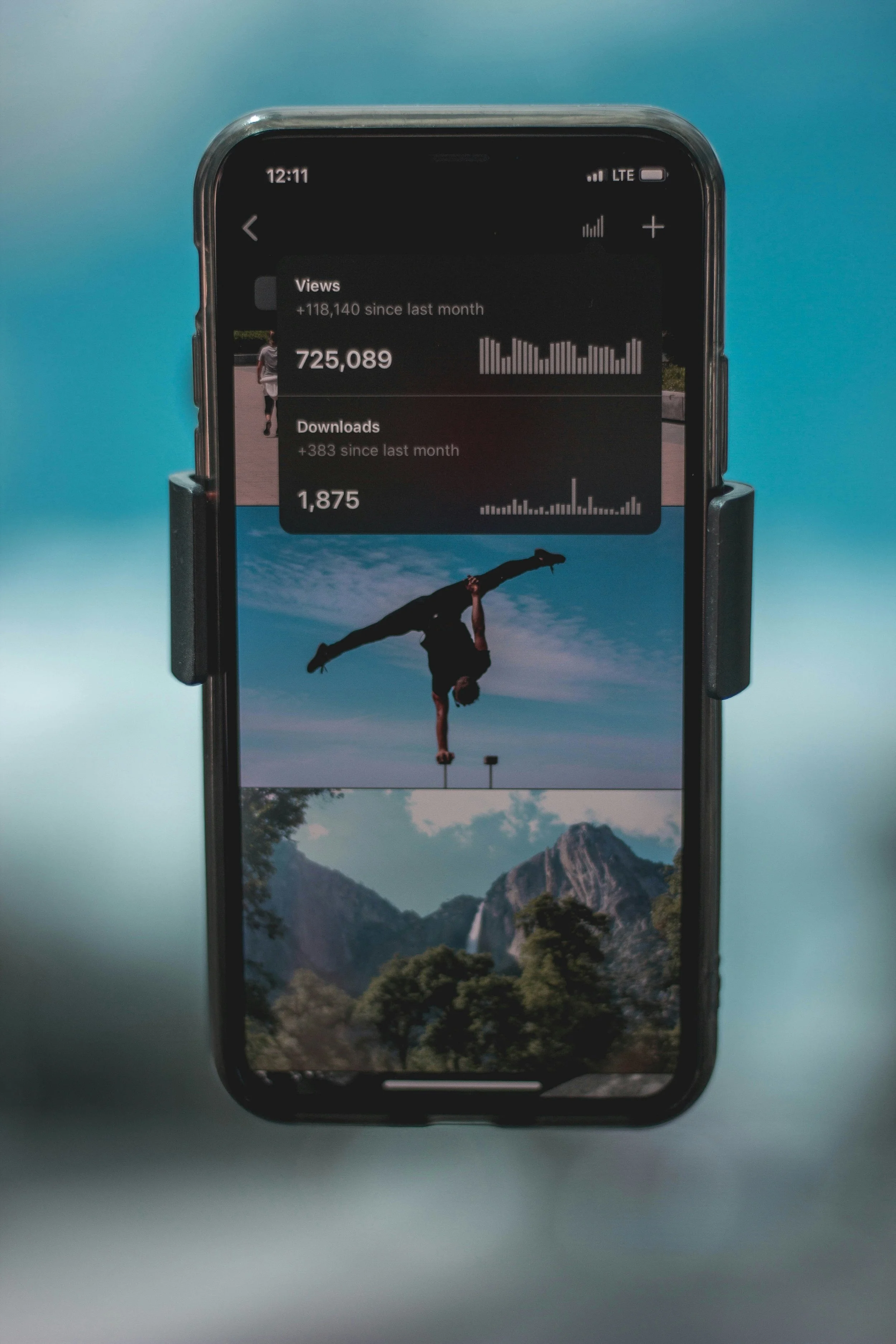
AI Vetting Dashboards Are the New Brand-Safety Theater
Every creator platform has the same slide in its deck now. A dashboard, a score out of 100, a green checkmark next to "brand safe." Fraud detection, audience authenticity, sentiment analysis, some acronym like SHAP explainability that's supposed to make the number feel scientific. It's the fastest-growing pitch in the industry right now, and it's solving a problem that was never really about data in the first place.
Brand safety and vetting are problems that boil down to judgement, not measurement. No fancy dashboard with endless amounts of AI will be able to make that call for you.
What the score actually tells you
Run a creator through one of these tools and you get a number. That number is built from things software is genuinely good at: flagging bot followers, catching engagement pod patterns, scanning past captions for banned keywords, cross-referencing a creator against known controversies. For the record, we actually feel like that’s incredibly useful. However, that should be viewed as the floor, not the ceiling, of what brand safety actually requires.
What the score can't tell you is whether a creator's sense of humor is going to read as edgy-in-a-good-way or edgy-in-a-lawsuit-way for your specific brand. It can't tell you whether their audience actually trusts them the way the engagement numbers suggest, or whether that trust is about to get spent on something off-brand next month. Software is only capable of auditing the past. Brand safety though, is a bet on the future.

Why the industry wants you to believe otherwise
The appeal of the dashboard isn't that it's more accurate than a strategist's judgment. It's that it's defensible. When a partnership goes sideways, "the score said 94/100" is a much easier sentence to say in a client debrief than "we made a call based on eighteen months of watching this creator's content evolve." The dashboard doesn't protect the brand. It protects the agency's liability. That's a meaningful difference, and it's one most agencies are not eager to point out, because the dashboard is also easier to sell than expertise. You can license a vetting tool in an afternoon. You can't license judgment.
There is a version of this that's genuinely useful, which is using automated screening to handle the volume work so a human can spend their attention on the calls that actually require it. In truth, that's not what's happening at most agencies right now. The tool isn't a first pass before a strategist gets involved. Increasingly, it's the whole process. The score comes back green, the creator gets approved, and nobody on the account team has actually watched the last twenty things that person posted. No one in strategy or account has the time, or the patience to comb through that much information.

The judgment calls a dashboard will always miss
Think about the brand-safety failures that have actually made news this year. They weren't creators with high bot-follower percentages or flagged keywords in old captions. They were creators whose audience trust got weaponized in a way nobody scored for. Think of examples like a betting platform's paid promotions with no disclosure, a beauty brand's ambassador saying something in a livestream that no caption-scanning tool would ever have caught because it happened in real time, off-script. This is exactly where the actual risk always lives.
A vetting score is a snapshot. Brand safety is a relationship you have to keep watching. That means someone on your team actually consuming a creator's content on an ongoing basis, understanding their audience's inside jokes, knowing what they've said in interviews, having a read on where their persona is headed next. None of that shows up in a fraud-detection API.
What We Recommend Instead
By all means, please use the automated tools at your disposal. They're genuinely good at catching the obvious stuff and will truly save real time. However, a brand-safety score cannot be the last checkpoint before a creator gets approved. The score should be the very first step, step one of five, not the whole review. The real safeguard is a strategist who's spent real hours in a creator's world, who has a point of view on what could go wrong that isn't derived from a training set, and who's willing to say no to a creator with a perfect score because something about the fit still feels off.
That's a harder thing to put in a sales deck than a 94/100. It's also the only version of brand safety that's ever actually worked.