

Polymarket Faked the Wins. The Audience Paid the Price
What 1,100 staged videos, $2.5 million in hidden payments, and 140 million views tell us about what the influencer industry is still getting dangerously wrong.
There's a specific kind of fraud that only works because people trust something. The Ponzi scheme works because you trust the manager. The fake review works because you trust the crowd. The staged winning-bet video works because you trust the creator.
That's the part of the Polymarket story that should make anyone in this industry genuinely angry. A platform that markets itself as "truth infrastructure" ran one of the most dishonest influencer campaigns in recent memory. And it was precisely the trust audiences place in creator content that made the deception possible at scale.
This week, a Wall Street Journal investigation confirmed what had been quietly circulating: Polymarket paid more than 800 creators over $2.5 million to post videos staged on fake clone websites, depicting winning bets that never happened. Creators were paid $2,000–$3,000 a month and told, explicitly, not to disclose the paid relationship.
The videos racked up 140 million views across TikTok, YouTube, and Instagram.
Of the 1,105 videos the WSJ analyzed, 118 showed creators winning nearly $900,000. In reality, the same bets placed on the actual Polymarket site would have lost more than $166,000. One video showed a college student winning $100,000 after betting that President Trump would say "McDonald's" publicly. The real trade lost, but 50 accounts placed it, and every one of them was in the red. The site creators used to film the "win" was poiymarket.com (note the intentional typo) a near-perfect replica built specifically to look convincing on camera.
This is not a disclosure oversight. This is a deliberately funded, architecturally complex system for manufacturing fake credibility through creator trust.
The Format Was the Weapon
Polymarket didn't run banner ads with fake wins. Nobody would have believed those. They ran creator content because creator content doesn't read like advertising. It reads like a real person sharing a real experience.
That's the core value proposition of influencer marketing: authenticity, specificity, the feeling that someone you follow is telling you something genuine. Polymarket reverse-engineered that value proposition into a deception mechanism. The very thing that makes creator content trustworthy is exactly what made the staged videos believable at scale.
When you watch a creator film themselves placing a bet on their phone, in their living room, with the casual excitement of someone sharing a real win, you're not watching an ad. You're watching what looks like peer evidence. And peer evidence is worth infinitely more than a banner impression, which is why brands pay a premium for it. And why faking it is so corrosive.
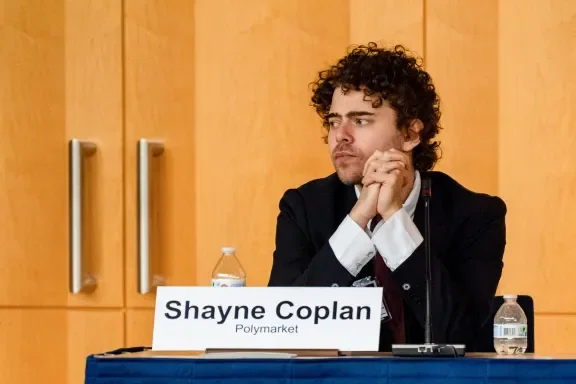
Shayne Coplan is the CEO of Polymarket, which drew scrutiny over allegedly staged influencer bets to lure U.S. users. But meaningful action from federal regulators appears unlikely.
The Collateral Damage Is Bigger Than Polymarket
Polymarket will take the hit. They should. The company already had a 2022 CFTC settlement for operating an unregistered event-contracts market. The CMO reportedly funneled more than $2.5 million through personal PayPal accounts. That is an operational choice that does not suggest anyone believed this was above board. Now they're facing a platform-launched internal probe, potential FTC action, scrutiny from state regulators, and a $15 billion valuation that investors are reconsidering in real time.
But the damage radiates outward. Every creator working in finance and crypto now operates under a shadow they didn't create. Audiences who watched a staged Polymarket video and felt inspired, maybe opened an account somewhere and decided "real people make money on these platforms". Those people are now recalibrating. Not just their view of Polymarket. Their view of the format.
That recalibration is the real cost of this campaign. And it will be paid by creators who were doing legitimate, disclosed work; by brands that built honest programs; and by audiences who trusted a medium they should never have had to doubt.

What Disclosure Actually Means
There is a widespread, lazy belief in this industry that FTC disclosure is a box to check. Add #ad or #sponsored, move on. The Polymarket campaign is a useful corrective to that thinking.
The FTC's endorsement guidelines exist because audiences make real decisions based on what they believe is genuine peer opinion versus paid promotion. When someone tells you a product changed their life without disclosing they were paid to say so, they have taken your decision-making framework and exploited it. The Polymarket creators did exactly that. Many of them may not have fully understood their legal exposure, but Polymarket's leadership certainly did. They built the fake websites, wrote the briefs, and specifically instructed creators to stay quiet about the relationship.
Disclosure isn't a technicality. It's the minimum ask: tell your audience what your relationship with this brand is, and let them decide what to do with that information. Everything below that floor is deception. Polymarket didn't just go below the floor. They paid 800 people to go there with them.

The Orientation That Got Them Here
Here's what gets lost in the regulatory noise: this campaign reflects a fundamental belief about what influencer marketing is for.
Polymarket believed that creator partnerships are a vehicle for manufacturing social proof. Pick a face, write a script, build a fake site, pay someone to perform a credibility your product hasn't earned yet. The creators weren't partners. They were props. The audience wasn't a community to be served. They were a target.
That belief is not unique to Polymarket. It's embedded in every brief that hands a creator a script and tells them not to deviate. In every campaign that chases impressions without caring whether the content reflects a genuine experience. In every program that picks creators by follower count and never asks whether this is a real fit for their audience.
The difference between those programs and what Polymarket did is the severity of the lie. The orientation is the same.
The brands that come out of this moment in better shape are the ones who've invested in genuine creator relationships. The brands who brief collaboratively, care about authentic product fit, and understand that what a creator says on behalf of a brand carries their reputation too. Those programs are more expensive to build. They take real strategic thinking. They require treating creators as creative partners, not distribution infrastructure.
They also work. And they don't blow up.
The Bottom Line
Polymarket sold itself as a platform where markets reveal truth. Its influencer strategy was to build fake websites so creators could perform winning on camera and deliver it to 140 million people.
You can't be both of those things at once. And audiences always, eventually, notice.
If your influencer program is built on the assumption that what you're buying is an audience's trust, borrowed through a creator relationship, you have a responsibility to earn that trust, not manufacture it. The Polymarket campaign didn't just embarrass a company. It weaponized the thing audiences value most about creator content and used it against them.
That's not a marketing mistake. That's a choice. And the industry should call it exactly what it is.
Sources
Wall Street Journal via Startup Fortune · TechCrunch · TechSpot · Fortune · Techdirt · CBS News · Legal Sports Report · Yahoo Finance