


LinkedIn's Creator Play Is Actually Smart, but Most Brands Are Going to Blow It
LinkedIn has been building something quietly, and the timeline just accelerated.
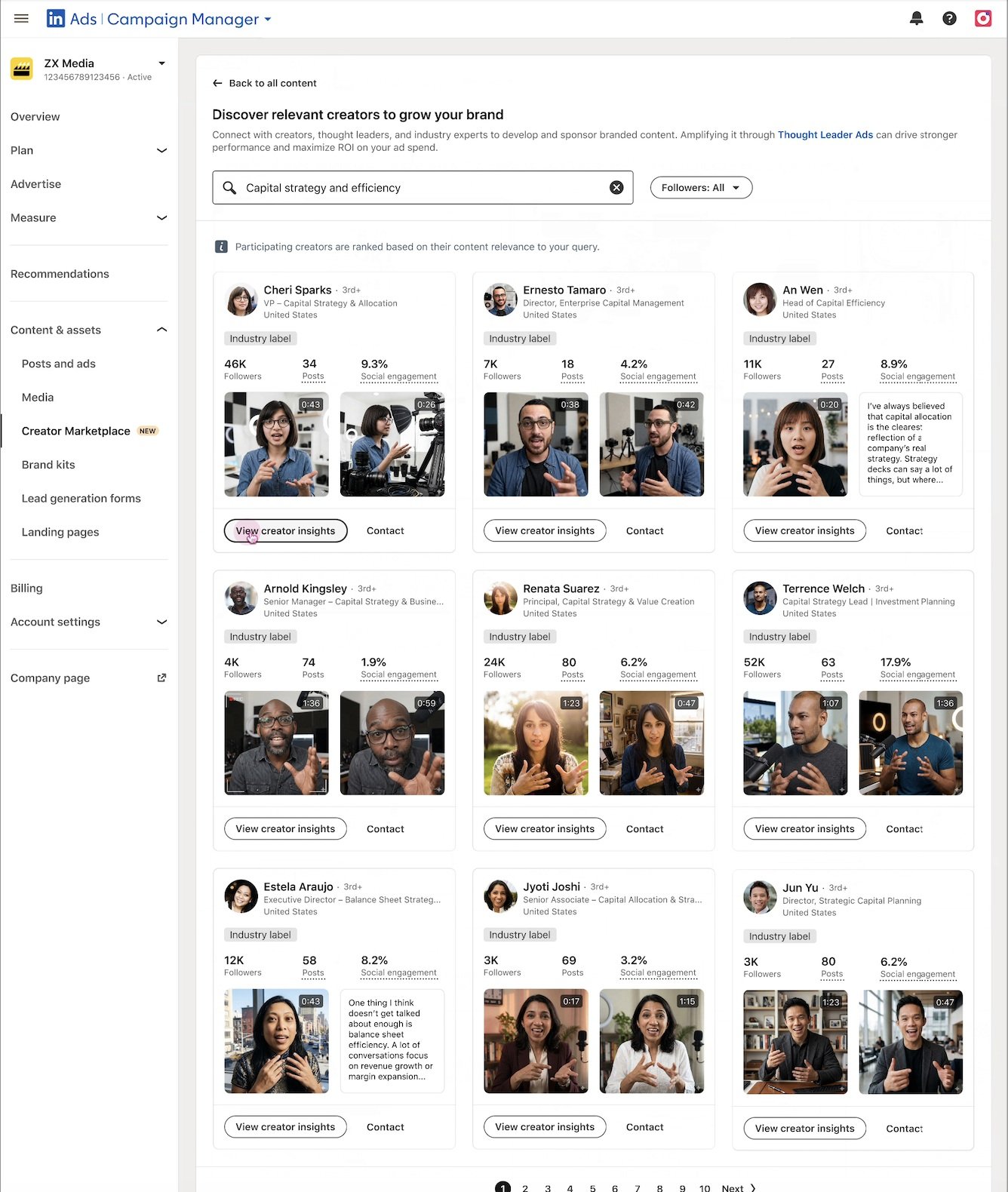
In the last few months alone: Creator Marketplace launched. BrandWorks went live. Top Voices 360 expanded to new creators and generated over $20 million in its first year. BrandLink now delivers 130% higher video completion rates than standard in-feed ads, and members exposed to it are up to 18% more likely to convert to a lead. LinkedIn even started testing gated, creator-led events as a monetization product.
Evidence that LinkedIn is going all-in on this platform.
The brands rushing to get in front of it are mostly going to waste the opportunity, if they’re not careful.
Why LinkedIn Creator Actually Works (When It Works)
Here's the thing that separates LinkedIn influence from influence on every other platform: purchase authority is in the room.
87% of B2B buyers refer to thought leaders when making purchase decisions. 56% of buyers who use creator content consult it during the final stage of a deal, not discovery, final confirmation before signing. That's someone leaning on a trusted voice to validate a decision their company is about to spend real money on.
That dynamic doesn't exist on Instagram. It doesn't exist on TikTok either. The LinkedIn creator's audience isn't aspiring to a specific lifestyle. Instead, they're trying to navigate real problems at their actual jobs. The influence here is professional trust, not parasocial attachment.
That matters enormously for how a brand partnership has to be structured.
The Wrong Way In (Which Is How Most Brands Will Enter)
The mistake brands make on LinkedIn is the same mistake they've been making in B2B marketing for years: treating it as a distribution problem rather than a credibility problem.
The approach looks like this: identify a Top Voice with 200,000 followers, write them a post that explains the product's features, put the brand logo in the corner, ship it. It performs more like a press release, which is to say, it doesn't perform.
The reason is obvious if you understand the audience. A LinkedIn feed is full of people who can immediately smell when a creator is reading someone else's script. These are professionals. They read contracts, evaluate vendors, sit through sales calls. They know what a sponsored opinion looks like versus a real one, and when the moment they sense the former, they disengage. The creator loses credibility for having done it and so does the brand.
BrandLink's 130% video completion lift isn't magic. The key is its context: ads placed next to content someone is already leaning into because the creator has earned their trust. The moment the ad itself breaks that trust, the advantage disappears.

What the Brief Needs to Look Like Instead
The creative approach that works on LinkedIn isn't creator-as-spokesperson. It's creator-as-collaborator, where the brand provides genuine substance and the creator provides genuine interpretation.
That means the brief can't lead with messaging hierarchy and product claims. It has to lead with things like:
Here's a real problem in your audience's professional life
Here's our honest perspective on it
Here's where we're genuinely useful
Here's where the limits of our usefulness are.
Then you hand that to a creator who actually has something to say about it and you get out of their way.
The brands winning with B2B creators right now are the ones willing to let a creator disagree with conventional wisdom in their category, even when that wisdom belongs to the brand. That kind of intellectual honesty is what builds credibility on LinkedIn. It's uncomfortable for most marketing teams. It requires actually trusting the creator's voice over the brand's talking points.
Most brands won't do it. They'll negotiate the post back to something safe, and the post will perform like something safe.
The Strategic Opportunity Nobody Is Claiming Yet
Here's the real white space: LinkedIn creator marketing is going mainstream fast, but the creative sophistication isn't keeping up with the spend either. Investment in creator marketing grew 171% year-over-year among B2B marketers. Most of that money is going to the wrong kind of content with the wrong kind of brief.
If a brand figures out how to write a brief that actually unlocks a LinkedIn creator's credibility rather than neutralizing it, that's the competitive advantage right now, before the category gets crowded with brands who've figured it out.
The platform is doing its part. The product is genuinely good. The audience is there, they're engaged, and they're making real decisions.
The only thing standing between a smart brand and real B2B creator impact is the willingness to write a brief that treats the creator as a strategic partner instead of a media placement.
That's harder than it sounds. It requires the brand to have something real to say, and the confidence to let someone else say it better.

À LA MODE is a strategy and creative-first influencer agency. We build creator programs for brands that want to actually move the needle, not just check the box.
sources:
LinkedIn Launches Creator Marketplace and BrandWorks — PPC Land
LinkedIn Adds New Ways for Brands to Tap Into Creator Partnerships — Social Media Today
The State of B2B Influencer Marketing: Mid-2026 Pulse — ContentGrip
B2B Marketing Insights: Why Creators Are Up — LinkedIn Business Blog
LinkedIn Plans to Host Gated, Creator-Led Events — Social Media Today