

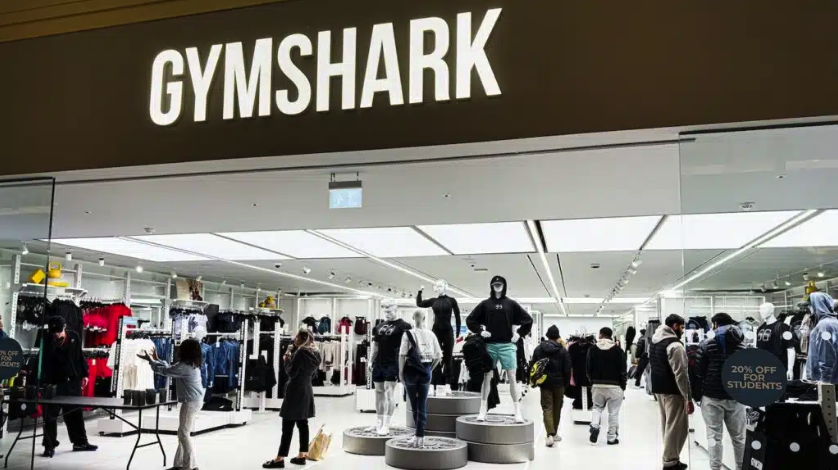
Gymshark Lawsuit Isn't About Disclosure. It's About What "Authentic" Was Always Covering For.
There's a class action working through the Southern District of New York right now that every brand running an influencer program should read closely, because it's not really a story about hashtags and hidden captions. It's a story about what happens when a brand's entire strategy depends on the audience never finding out it's a strategy.
The complaint, filed against Gymshark in June, alleges the company paid hundreds of fitness influencers (creators like Whitney Simmons and Annabel Lucinda) to promote its leggings while instructing them to bury or omit FTC-required disclosures. Not once. Systematically. Captions long enough to hide the #ad below the "see more" fold. Hashtags stacked to bury sponsorship language in noise. And, allegedly, exclusivity clauses barring these same creators from ever mentioning a competitor, without disclosing that restriction either.
Here's the deeper issue: if you feel the need to hide the fact that your relationship is actually a paid endorsement, you must already know that disclosed content doesn't perform as well as content people believe is real. That means this is not just an accident, or a small oversight. That's market research used with real intent to deceive. Gymshark's own alleged instructions are the best evidence we have that the brand understood exactly how much "authenticity" was worth, and made a clear business decision to manufacture the appearance of it rather than pay the price of disclosing it honestly.
The industry has been selling a fake version of "authentic" for years
"Authenticity" is an over-used buzzword every influencer deck leans on because it's vague enough to mean whatever a brand needs it to mean. Ask ten agencies to define it and you'll get ten answers involving the words "genuine," "relatable," and "voice" None of them will mention the one thing that actually makes a recommendation authentic, which is the audience knowing the terms under which it was made.
That’s the entire premise. An endorsement someone believes is unpaid and freely chosen carries a much heavier weight than an endorsement that's a disclosed ad. The ultimate reason for this weight is because the audience has been misled about the nature of the relationship. Strip the deception out, and what you're calling "authentic content" is just an ad that doesn’t work as well. Which means every brand instructing creators to soften disclosure isn't protecting authenticity. It's protecting the fiction that made the deal profitable in the first place.

This is a strategy failure, not just a legal one
The easy takeaway from this is MaKe SuRe YoUr LeGaL tEaM rEvIeWs DiScLoSuRe LaNgUaGe." Sure, but you should already be doing that. The deeper problem is that a lot of influencer programs are built on a foundation that can't survive daylight, and that's a positioning failure long before it's a compliance one. If your creative concept only works when the audience doesn't know it's paid, you haven't figured out an authentic voice. You've found a loophole, and loopholes usually come as limited time offers. Community Notes closed one for DoorDash and T-Pain during the World Cup. A federal court may close this one for Gymshark.
The brands that will hold up under this kind of scrutiny are the ones whose creator partnerships were built to survive full transparency. The kind of partnerships where the disclosed version of the ad is still good, because the strategic fit between brand and creator was “authentic” in the first place. That's a harder brief to write than it sounds. It requires actually believing the creator's audience deserves the truth, and building a campaign strong enough to work anyway.

THE TAKE AWAY FROR ANYONE RUNNING A PROGRAM RIGHT NOW
Audit your own creator agreements for language that even gestures toward "keep disclosure light" or "avoid competitor mentions" without disclosing the exclusivity. If any of it exists, it's not just legal exposure, it's an admission that the strategy underneath the campaign wasn't strong enough to survive being seen clearly. The agencies and brands who'll come out on top of these moments are the ones who never needed the audience to be fooled to make the partnership work.
That's really the whole point, actually. Don’t try to manufacture the appearance of authenticity. Building something real enough that disclosure doesn't cost you anything.
Sources:
Influencer Marketing Under Fire: Gymshark Sued In New Class Action
Gymshark Class Action Lawsuit Claims Influencer Posts Not Properly Disclosed as Ads
A new class-action lawsuit accuses Gymshark of telling creators not to disclose ads - Tubefilter
Gymshark's Paid Influencer 'Army' Hides Ad Deals, Says Suit - Law360